
I’m 41, and people still ask what I’m doing to my skin. This is my anti-aging skincare routine for Black women over 40: what I put on my face morning and night, the dermatologist plan that’s fading my dark marks, and the habits that keep my glow. If you want the philosophy behind it first, start with my approach to skincare for melanin-rich skin over 40.
What “20 Years Younger” Really Means for Melanin-Rich Skin
Our culture runs on “Black don’t crack.” We say it with love, and there’s truth in it. In most situations, our skin ages a little more slowly. It’s tough and it’s resilient. But slower doesn’t mean never, and it doesn’t mean we get to skip the work.
For me, looking and feeling young comes down to one thing: the glow. When the glow fades, the face starts to look older. The good news is that you can keep it for a lifetime.
On melanin-rich skin, the first place I see depletion is under the eyes. The darkness that shows up there, the “raccoon eyes” or whatever people are calling it now, is often the first sign your skin is missing something. That could be nutrients, protection from the sun, or the right products. Sun damage can be treated, and so can under-eye darkness.
So if I want to feel 20 years younger, I have to stay on point. That means caring for my skin every day, working out, staying hydrated, and finding the products that actually work for my skin. I’m also not opposed to professional treatments, as long as they protect the long-term health of my skin. I don’t want anything invasive. I want treatments that improve texture, even out discoloration, and bring back firmness.
A lot of what we think we’ve lost can come back. But if we want Black not to crack, we have to show up for our skin as it ages.
What Changes in Our Skin After 40
I’m 41, so I understand why so many women panic when 40 shows up. “Oh my God, I’m turning 40. What now?” Let me put your mind at ease. For your skin, it isn’t a huge shift from your 30s. Your mindset is another story, and mine definitely changed. But we’re talking about skin, so here’s what I actually noticed when I stepped into my 40s.
My texture got better, not worse. I went to a dermatologist about hyperpigmentation that was dull and never seemed to leave. I wanted a regimen for my dark spots. My texture wasn’t even the goal, but the treatment improved it anyway. Taking care of one concern ended up helping my whole face.
The inner corners of my under-eyes are changing. My under-eyes still look young overall. The inner corners are where I’ve started to see some aging. It isn’t dramatic, just a little less firmness. My guess is that collagen production is slowing down, or that I’m losing a bit of natural fullness as I get older. Either way, that’s the spot I’m watching now.
My skin tone near my temples has brightened. The skin on the sides of my temples is noticeably lighter and more even than it used to be. Maybe I’m spending more time indoors. Maybe it’s the treatment I’m using, and to be clear, that treatment doesn’t involve bleaching. I would never. Whatever the reason, my skin looks more even and glowy. Honestly, I look more awake now than I did in my 30s.
Turning 40 doesn’t have to mean decline. For me, it’s when I started paying attention, and my skin responded.
Sunscreen Is the Anti-Aging Step We Were Told We Didn’t Need
To whoever started the story that melanin-rich skin doesn’t need sunscreen: please be quiet. My skin, and the skin of so many other melanated women and men, thrives with daily SPF. It looks better, it feels better, and the texture is better. Sunscreen doesn’t just protect us. It makes our skin glow like nothing else.
I’ve done a deep dive on sunscreens that work for melanin-rich skin, and the first rule is simple: no white cast. Most of us want to put on sunscreen and get out the door. Sometimes that means full glam, and sometimes it means a natural, everyday makeup look. Either way, a sunscreen that leaves a gray or ashy film is a step we shouldn’t have to fix.
Wearing sunscreen consistently has changed the look and feel of my skin more than almost anything else. My skin is smoother and brighter. I’m using one treatment, and I stay consistent with my routine morning and night, before workouts and after. The routine keeps evolving, but one thing never changes: sunscreen at every step, reapplied throughout the day.
That consistency is why my skin looks the way it does. I get compliments on my glow all the time, and honestly, that glow is mostly sunscreen.
My Favorite Sunscreen
Drum roll, please. Picture it, and stay with me.
My favorite, and I promise this is no joke, is Shiseido. I keep both the Ultimate Sun Protector Lotion SPF 60+ and the Ultimate Sun Protector Clear Stick SPF 60+ in whatever bag I’m carrying that day.
The stick goes in my gym bag. I usually work out at home, but for an outdoor workout, I always bring the Shiseido stick. It’s the same protection as the lotion, just much easier to apply when I’m moving, sweating, or doing high-performance activities. I even love it for yoga. It glides over everyday makeup, so I can pull it out and reapply anytime without ruining my look.
The lotion is my personal favorite. When I’m on the go, the lotion is the one I reach for. It blends and smooths into my skin like a moisturizer, so if I’m short on time, I can skip moisturizer altogether. It leaves my skin with a healthy, glowing finish, and that’s exactly what I want from a daily sunscreen.
More Sunscreen Picks for Melanin-Rich Skin
I’ve linked the other sunscreens I personally use and recommend below so you can check them out yourself. In my opinion, every one of them is worth the hype and worth the daily spend. You get real value for your money.
Always, always apply your SPF. Don’t skip it. It’s the most important step in your skincare routine.
Fading Dark Spots and Evening Out Your Tone
I’m not a fan of using tons of products, but I’m a big fan of products that actually work. I’m a lazy girl at heart. Really, I’m a busy girl with a lot of priorities, and “lazy” is just the undertone. So every product in my routine has to earn its place.
For fading dark marks and improving tone, texture, and the overall look of my skin, your routine does the heavy lifting, especially when it’s paired with the sunscreen of your choice.
The Ingredients My Skin Thrives On
My skin responds best to three things:
Niacinamide for evening out tone and keeping my skin balanced
Azelaic acid for fading dark marks and stubborn hyperpigmentation
A custom prescription blend from my dermatologist with tretinoin, hydroquinone, niacinamide, and fluocinolone. I use it for three months at a time, then take a break. That cycle is part of my dermatologist’s plan, so follow your own dermatologist’s guidance on how long to use a prescription like this.
- My Daily Edit Skincare Products Here
Toners Set Up Everything Else
One reason my routine works so well is the toners I chose. A good toner preps your skin so the products after it go on more easily and do their job better. It’s a small step that makes the rest of the routine work harder.
Why I Skin Flood
I was introduced to skin flooding about two years ago, and I’ve finally found a way to make it work for me. You layer hydrating products back to back while your skin is still damp. It speeds up my routine, the products apply more easily, and my skin drinks everything in.
Switching Moisturizers With the Seasons
My moisturizer changes with the weather. I use a cream-based moisturizer when my skin needs more richness and switch to a gel-based one when it needs something lighter.
Vitamin C and Me: It’s Complicated
I know people are going to go crazy about this, but vitamin C serums don’t work for my face. I gave them a real try for a long time and never saw a noticeable difference. Right now I’m focused on healing my skin and getting it to a better place, so a vitamin C serum isn’t part of my routine.
That doesn’t mean I’ve given up on vitamin C completely. I still like it in my eye serum and in the brightening face masks I use between routines. Those work for me, while a full-face serum just never did.
Retinoids Without the Irritation
I’m not a retinoid pro yet. They’re still pretty new to my routine. The most important retinoid I use is tretinoin, and it’s part of the custom blend my dermatologist created for my skin. I didn’t want to experiment with a prescription-strength retinoid on my own, so I let my dermatologist guide that part.
Beyond my prescription, I’ve only tried over-the-counter retinoids. I wanted to understand the best way to work them in before adding anything stronger.
I’m a repeat offender when it comes to products. I like having the same favorites on my shelf all the time. Trying something new is scary when my skin is in a good place, and I’ll admit I’m a little terrified of retinoids. I’ve heard so many stories about how using them carelessly can undo all your progress.
What Retinoid Irritation Looks Like on My Skin
On my skin, retinoid irritation shows up as dry patches. They can look a little like eczema, but I don’t have eczema. The patches are usually very small, but I can always see them. When I put on makeup or a tinted moisturizer, it settles into those spots and shows me exactly where my skin is reacting.
That’s why I use the sandwich method. I also keep my skin well moisturized all day to keep that irritation from coming back.
How I Layer My Retinoid
I skin flood most nights, and my retinoid is part of that layering. It goes on after my last toner and right before my dermatologist’s blend. Because my blend is a low-percentage mix, I can layer an over-the-counter retinoid without overwhelming my skin, and all the hydration underneath keeps my skin cushioned.
This works for my skin and my specific blend. If you’re using a prescription retinoid, ask your dermatologist before layering in another one.
Retinoids Are a Nighttime Step
One thing I’m proud of is finally understanding which products belong in the morning and which belong at night. For me, retinoids work best at night, so I only use overnight retinoids. Some retinoids are made for daytime, but I don’t use them. With sunscreen and everything else, it just feels like too much on my skin during the day.
Skincare is individual, so what works for me may not work for you. Tretinoin is prescription-only, so talk to a dermatologist before adding it to your routine. If you’re like me and want to start slow with an over-the-counter option first, here are the ones I like.
Hydration and Barrier Repair: Where the Glow Comes From
Sunscreen protects the glow, and hydration creates it. Products that add hydration, and products that help that hydration sink into your skin, will always work. They keep your skin from looking ashy, dull, dry, or patchy.
Hydration is second nature to me. On the inside, I try to drink enough water. On the outside, I use products that help lipids, fatty acids, and other good-quality ingredients penetrate deeply into my skin. That’s what makes skin look plump, and plump skin is youthful. Plump skin will take years off your face.
Hyaluronic Acid Goes in My Moisturizer
I like to get my hyaluronic acid from my moisturizer, so I lean toward gel-based formulas over creams. In my experience, they work a little better for my skin.
Hydrating Toners Do the Heavy Lifting
My toners are always hydrating. A hydrating toner makes a difference for every product you put on after it. I love creamy, milky toners, toners with ceramides, and thicker toners that feel a little goopy. That texture usually means hyaluronic acid, and often ceramides too.
Why I Skip Facial Oils (and Test Them on My Lips First)
Facial oils just don’t work for my skin. If an oil really catches my interest, I test it as a lip oil first. My lips are very sensitive to products, so if they don’t dry out overnight, I’ll try that oil on my face the next morning. If my lips can handle it, I trust my skin can too.
Exfoliate Gently or It Will Backfire
After a lot of trial and error, I’ve found an exfoliating rhythm that works for my skin, and it’s all about keeping things gentle.
How I Exfoliate
Every night: After I cleanse, I swipe on the Thayers Pore Refining Toner Pads before the rest of my routine: my toners, my skin flooding, and my treatments.
A few nights a week: I alternate the Good Molecules Mandelic Acid Serum with my retinol, so I’m never stacking both on the same night.
Twice a week, in the morning: I use the Pacifica Glow Baby Brightening Peel Pads right after cleansing.
Do Not Over-Exfoliate
I don’t over-exfoliate my skin, and I mean I do not. Over-exfoliating causes damage you won’t see coming, and it wrecks your skin barrier. All the hydration you worked so hard to build disappears, and you’ll have to work double time to get it back.
Exfoliants work by removing the top layer of your skin. Used the right way, that reveals the glow underneath. But you want that glow to stay, so I keep my exfoliating gentle and spread out across the week.
Why I See a Dermatologist (Even Online)
I’ll always recommend getting skin treatment from a professional dermatologist. It beats guessing what’s wrong with your skin and which products will fix it. A professional can look at your skin, tell you what’s going on, and get you a plan without the trial and error.
How I Found My Dermatologist
I found my dermatologist through an app called Miiskin. In the app, I looked through several dermatologists and picked the one I felt most comfortable with to analyze my skin.
What the Process Was Like
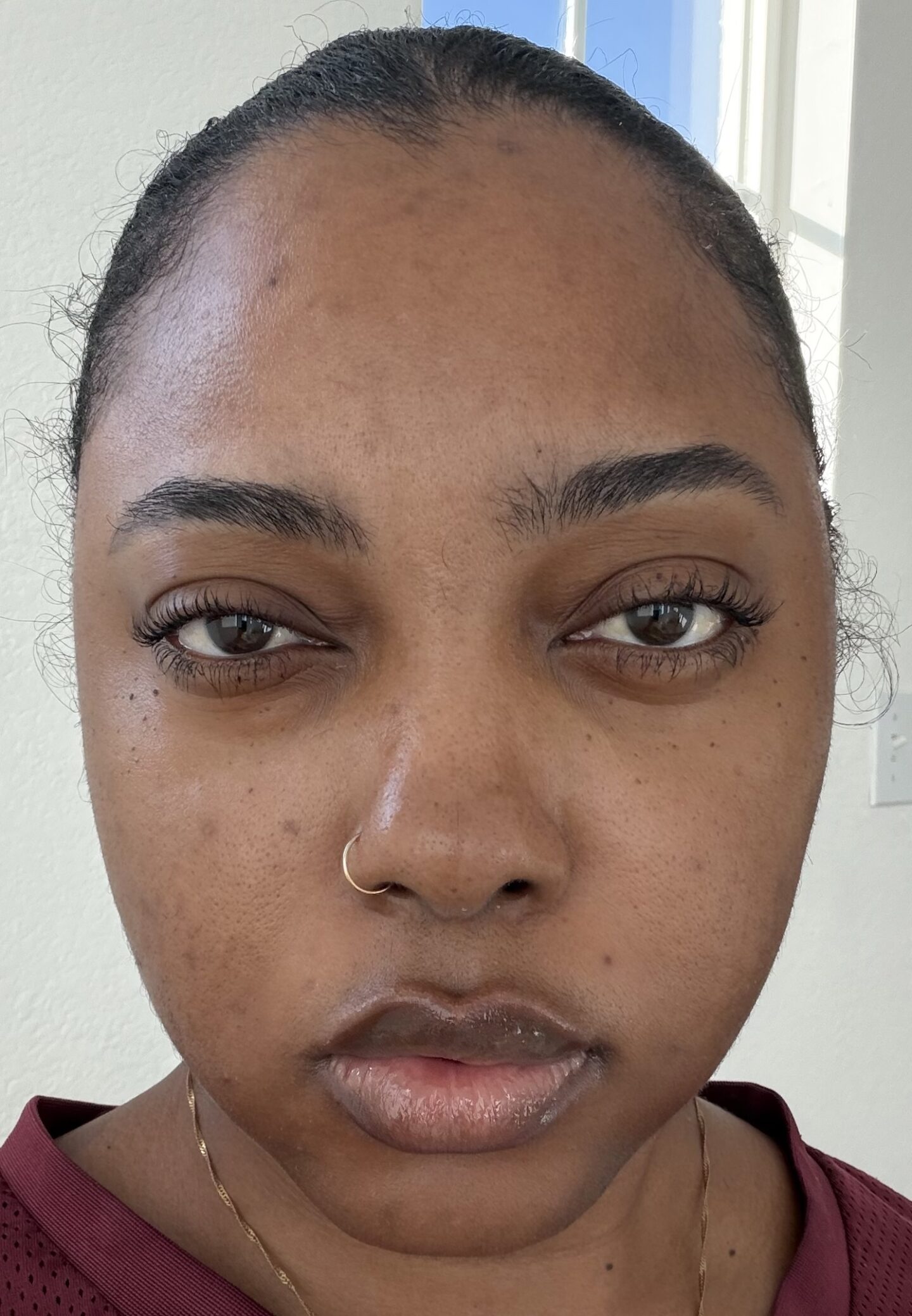
After I picked my dermatologist, I filled out a short questionnaire. It took less than 10 minutes. I uploaded photos of my face and briefly explained my skin concerns and where I was in my skincare journey.
Then my dermatologist got back to me with exactly what I needed to do. They covered the concerns I asked about, plus a few they thought should be treated at the same time. They simplified it and cut it down to what mattered, and they were much less wordy than I was. We came to the same conclusion: I wasn’t dealing with flare-ups or breakouts. My skin had stubborn dark marks, mostly along my jawline and on my neck.
They prescribed a custom blend, and it has been doing wonders since I started. I’m about a month in, and I noticed fading by week three.
What It Cost Me
Consultation: $69
Custom prescription: $50
Once your prescription is ready, you can have it sent to a pharmacy near you or mailed to your home. I chose home delivery because I wasn’t in a rush. If you want your products sooner, they can send the prescription to your local pharmacy for pickup.
No Insurance? You Still Have Options
If you’re working through any skin concern, I highly suggest seeing a dermatologist. If you can’t get to one in person, or you’re worried about insurance, do what I did and use Miiskin. Consultations there are cash-pay only, so you don’t need insurance to book (Miiskin). All you need is a card, and you’re good to go.
Here’s my full anti-aging skincare routine for Black women over 40.
My nighttime routine does the heavy lifting. That’s when I skin flood and layer my treatments so my skin can renew overnight. Because nights are so full, my mornings are simpler, with less layering and just what my skin needs to get through the day.
I know, I know. For someone who isn’t a fan of using tons of products, this is a lot. But every one of them earns its spot.
Gym Mornings
Whether I’m working out at home, outside, or at the gym, I keep it short.
Cleanser: The BYOMA Milky Moisture Cleanser, a gentle milky cleanser with a ceramide complex, oat extract, and panthenol.
Hydrating mist: Caudalie Grape Water to rehydrate my skin after the night. It’s smoothing, moisturizing, full of antioxidants, and great for sensitive skin.
Toner: The Haruharu Wonder Black Rice Hyaluronic Toner. It works like an essence and is made for sensitive skin. I don’t actually have sensitive skin, but sensitive-skin products work beautifully on me.
Moisturizer: Neutrogena Hydro Boost Water Gel, because it’s lighter during the day.
Sunscreen: The Shiseido sunscreen stick. On gym mornings, the stick is always my choice.
Everyday Mornings
Cleanser: The https://go.shopmy.us/p-44115472.
Exfoliating pads (twice a week): Two mornings a week, right after cleansing, I use thePacifica Glow Baby Brightening Peel Pads, which have a 10% AHA + BHA blend. On the other mornings, I go straight to my toner.
Hydrating toner: The Haruharu Wonder Black Rice Hyaluronic Toner.
Barrier serum: The Anua Rice Ceramide 7 Hydrating Barrier Serum. In my opinion, this is what gives you the most glass skin.
Azelaic acid (mornings only): My holy grail, the Good Molecules 10% Azelaic Acid Treatment, made for post-acne spots and uneven tone. I’m not acne-prone, but I use it because it pairs so well with tretinoin. I keep it to mornings so it works alongside my prescription without stacking on the same night.
Fade cream: The Ambi Even & Clear Advanced Fade Cream for stubborn dark spots. It’s hydroquinone-free and made with niacinamide, PHAs, and licorice root.
Moisturizer: Neutrogena Hydro Boost Water Gel or Water Cream.
Sunscreen: The Shiseido sunscreen lotion. It’s rich enough to feel like a lotion and leaves a healthy glow.
My Nighttime Routine
Night is when I do a full skin flood, then layer my treatments while my skin is still damp.
Step one: cleanse and skin flood
Cleanser: The La Roche-Posay Toleriane Hydrating Gentle Cleanser.
Toner pads: The Thayers Pore Refining Toner Pads, made with witch hazel and salicylic acid. I use these every night.
Hydrating mist: Caudalie Grape Water or Tower 28 SOS Daily Rescue Facial Spray.
Licorice toner: The Acwell Licorice pH Balancing Cleansing Toner, made with licorice root water.
Hydrating toner: The Haruharu Wonder Black Rice Hyaluronic Toner.
Milky toner: The Laneige Cream Skin Milky Toner, with ceramides and peptides. It’s literally cream in a bottle, so it goes on after my lighter toners.
Barrier serum: The Anua Rice Ceramide 7 Hydrating Barrier Serum.
Step two: treatment
Retinoid or exfoliant: Right after my last toner, I alternate between the Findley Retinol & Collagen Overnight serum and the Good Molecules Mandelic Acid Serum. Mandelic acid is known as the mildest AHA.
My dermatologist’s blend: A thin layer of my custom prescription (tretinoin, hydroquinone, niacinamide, and fluocinolone) on my darker areas and dark spots only. I use it for three months, then take a break.
Ambi Fade Cream: I layer it right after my prescription. Together, these two have changed the tone of my skin and made my pores look smaller. I still have a few marks to go, but my dark spots are a fraction of what they used to be. If you’re paying attention, licorice shows up in my Acwell toner and my Ambi cream. I really believe that’s what helps clear stubborn dark marks. If you know, you know.
Niacinamide (some nights): The Ordinary Niacinamide 10% + Zinc 1%. I don’t use it every night, since niacinamide is already in my prescription.
Eye serum: The Findley vitamin C and caffeine eye serum. I’ve used it for about three months, and my under-eyes feel just a tiny bit more plump.
Step three: seal it in
Lips: A brown sugar lip scrub or the Good Molecules Squalane Oil, depending on the night.
Moisturizer: Kiehl’s Ultra Facial Cream, Neutrogena Hydro Boost Water Gel, or Neutrogena Hydro Boost Water Cream.
Face Masks and Eye Patches
Between routines, I’m a face mask girly. Every mask I choose is either deeply hydrating or brightening, because that’s what my skin loves. Think vitamin C masks, deep-moisture masks, and turmeric masks. The same goes for my under-eye patches: hydrating and brightening, always.
- My Daily Edit Skincare & Skincare Essentials
The Habits Under the Skincare
I’ve built some good habits around my skin, mostly because I’m a disciplined person. I’m Type A about a lot of things, an introvert with extroverted tendencies. Products only go so far, though. The habits underneath them matter just as much.
Sleep: My Work in Progress
I know my skin needs sleep, and honestly, I don’t get enough. That’s the one habit I’m still working on.
Water: Over a Gallon a Day
Hydration starts on the inside. I drink a little over a gallon of water a day.
Stress: I Keep It Low
Life is stressful in general, but I keep my stress levels down. I’m pretty carefree about most things and don’t let much bother me.
Alcohol and Sugar: Rarely
I barely drink. I recently had my first drink in about nine or ten months, so that tells you how often it happens. I’m also not big on sugar or candy.
The Silk Pillowcase Debate
I know this is going to sound crazy, but I don’t sleep on silk pillowcases. I sleep on cotton. Silk is just too much for me. I understand the hype for hair, but for my skin, I’m not smashing my face into the pillow, so I’m fine. I haven’t seen a big difference either way.
Start With a Clean Face
If you take one piece of advice from this post, especially if you’re dealing with hyperpigmentation or stubborn post-inflammatory hyperpigmentation, make sure your face is clean before you apply anything. I mean truly clean. If you don’t start with a clean base, your products can’t do their job. Double cleanse if you need to, but most of all, find a cleanser that works for your skin.
Great skin isn’t just a shelf of products. It’s how you live.
What I Stopped Buying (Buy Less, Choose Better)
I’ve used a lot of products and tried a lot of trends. Once I really focused on my skin, I realized it only needed two things:
Treatment for my post-inflammatory hyperpigmentation, the dark marks along my jawline and neck.
A strong, healthy skin barrier.
For years, I chased everything else. I wanted the perfect clear complexion, glass skin, the shiny glow everyone loves. What I learned is that it does come, but only after your skin barrier is protected and well hydrated. The barrier comes first, and the glow follows.
Cleansers That Exfoliate and “Hydrate” at the Same Time
I stopped buying face washes with little beads in them, including the Neutrogena Hydro Boost exfoliating cleanser. It’s meant to exfoliate and hydrate at once, and I should have known better, because those two jobs work against each other. Exfoliate first, then hydrate. For my skin, trying to do both in one step was hard on my barrier.
Harsh Scrubs
I also gave up St. Ives and every harsh scrub like it. I used them when I was much younger and my skin was already perfect, so they weren’t improving anything. For my skin, they were over-exfoliating and causing tiny tears in the outer layer, damage I’d feel years later.
Hype
The biggest thing I stopped buying was hype. I had to stop looking at other people’s skin and focus on mine. I’m smart about what I buy and I trust my intuition, but I still had to cut products I only picked up because someone else raved about them. When it comes to getting my skin where it needs to be, the only opinions that matter are mine and my dermatologist’s.
Frequently Asked Questions
What’s the best anti-aging ingredient for melanin-rich skin?
For me, it isn’t one ingredient. It’s a combination. Sunscreen protects the glow, and hydration creates it. For treatment, my skin does best with niacinamide, azelaic acid, licorice root, and the custom prescription blend from my dermatologist. If I had to choose just one step, though, it would be daily SPF.
Is retinol safe for Black skin?
It has been for me, but I started slowly and carefully. On my skin, retinoid irritation shows up as small dry patches, and on melanin-rich skin, irritation can leave behind new dark marks. That’s why I use retinoids only at night, layer them into a fully hydrated routine, and keep my skin moisturized throughout the day. If you’re using a prescription retinoid like tretinoin, talk to your dermatologist before adding anything else.
Do I need sunscreen if I have melanin?
Yes. To whoever started the story that melanin-rich skin doesn’t need sunscreen: please be quiet. Daily SPF has made my skin smoother, brighter, and more even. Choose a formula with no white cast so it works under makeup, and reapply throughout the day. My favorites are Shiseido’s sunscreen lotion and stick.
How long does it take to fade dark spots?
It takes patience and consistency, but you may notice results sooner than you’d expect. I started my dermatologist’s prescription about a month ago. By the third week, my dark marks had started to fade a little. Once I added the Ambi Even & Clear Advanced Fade Cream alongside my prescription, the fading really picked up. I still have a few marks to go, but they’re a fraction of what they used to be.
Daily sunscreen is what keeps that progress going. Without SPF, dark spots keep coming back.
Does vitamin C work for dark spots on melanin-rich skin?
It works for some people, but vitamin C serums never did much for my face. I tried them for a long time and didn’t see a difference. I still enjoy vitamin C in my eye serum and brightening masks. My dark spots responded to azelaic acid, niacinamide, licorice root, and my prescription instead.
Can I see a dermatologist without insurance?
Yes. I found my dermatologist through Miiskin, an online dermatology app. I filled out a short questionnaire, uploaded photos of my face, and got a custom prescription for my hyperpigmentation. My consultation was $69 and my prescription was $50, with no insurance needed.
Do silk pillowcases help your skin?
Not for me. I sleep on cotton and haven’t noticed a difference. Silk makes sense for hair, but for skin, consistency with your routine matters much more.
This post reflects my personal experience and is not medical advice. Talk to a dermatologist before starting prescription treatments, retinoids, or new exfoliating acids.
